ACERVO MIGRATÓRIO | CARIBÉ GALLERY
Acervo Migratório
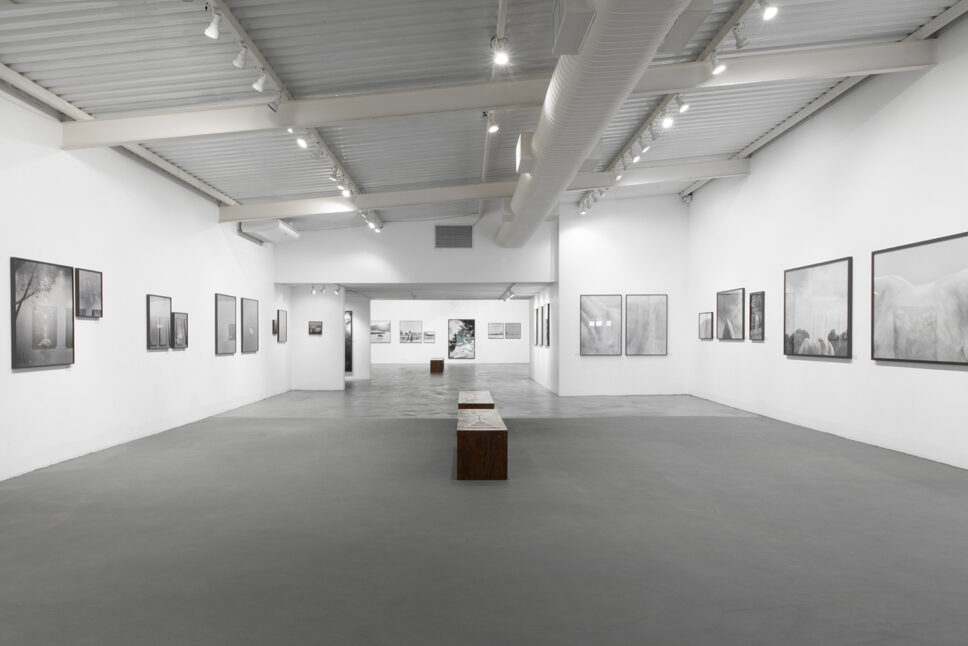
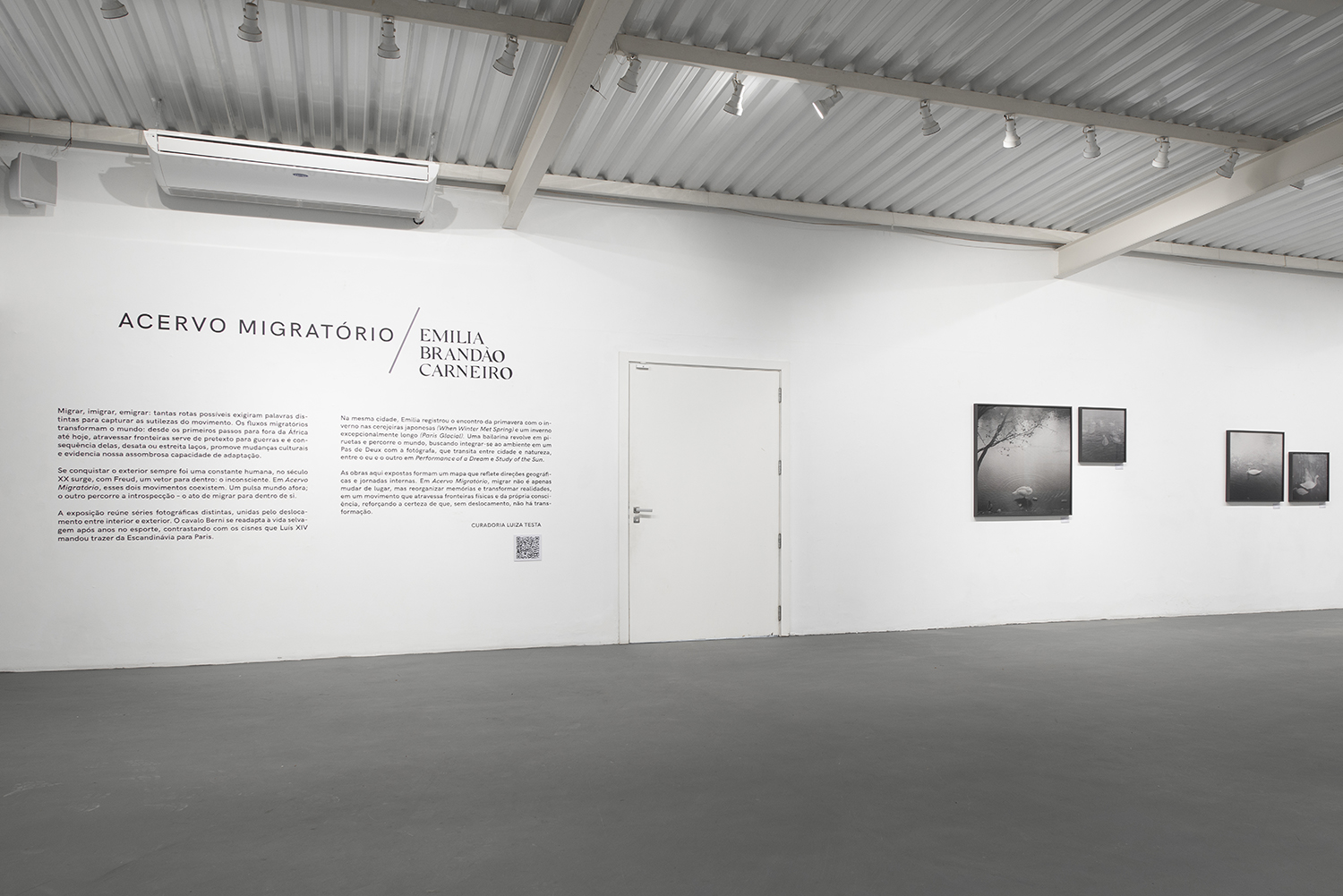
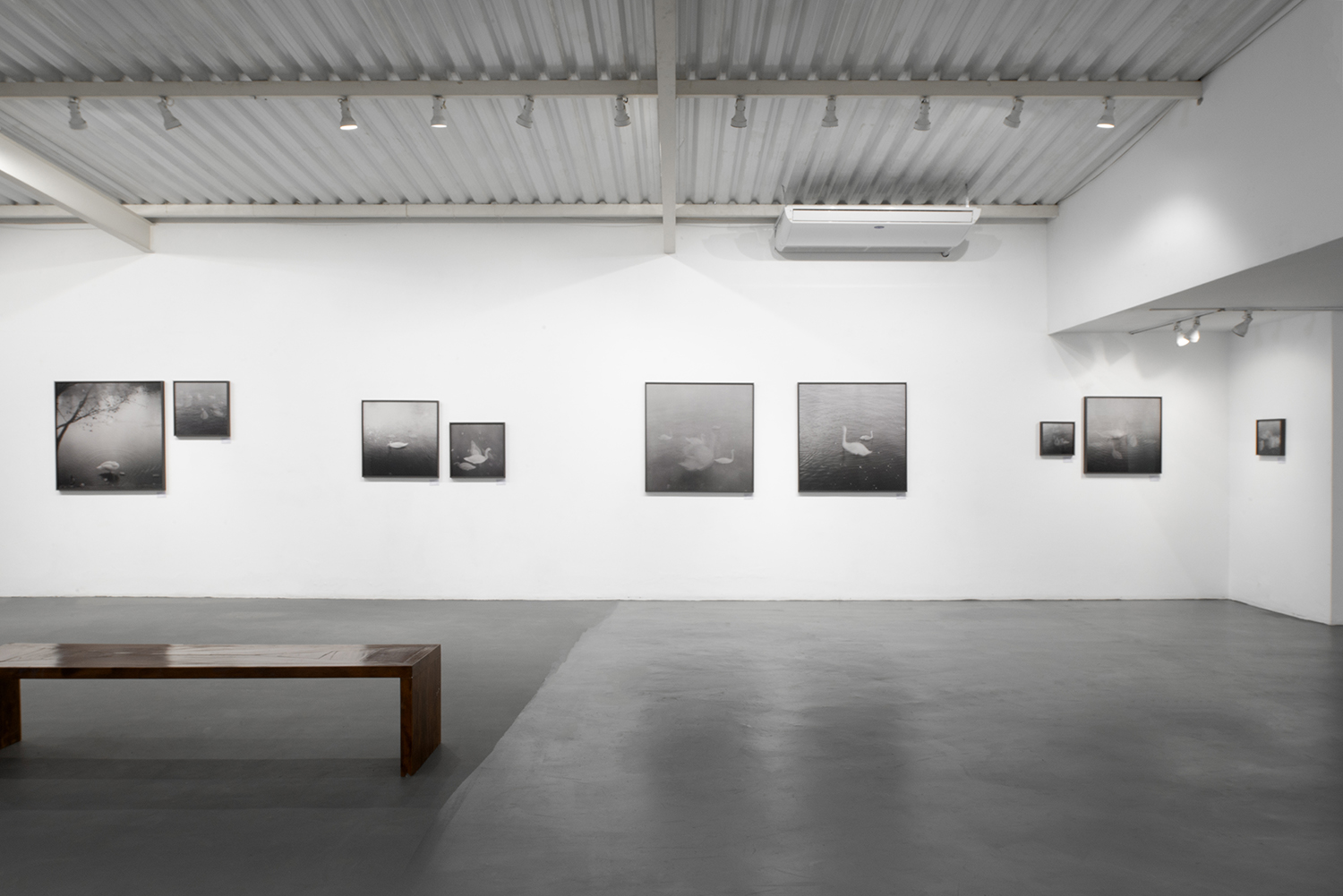
To migrate, to immigrate, to emigrate: there are so many possible routes that distinct words had to be forged to capture the subtleties of movement. Migratory flows are the great driving force of transformation on Earth. From our first steps beyond Africa, through the era of large-scale colonisation and into the present day, crossing borders has served as a pretext for wars and has been a consequence of them; it loosens or strengthens family ties, brings about profound cultural changes, and reveals our astonishing capacity for adaptation.
While the desire to conquer what lies outside us—territories, nature, other cultures, outer space—has been a constant throughout human history, the twentieth century saw the emergence, with Freud, of a vector pointing inward, towards the unconscious. In Acervo Migratório, we encounter both movements: one pulses outward, along the routes travelled by Emilia Brandão Carneiro and the subjects of her contemplation; the other journeys into the psyche, following a course of introspection—the act of migrating into oneself.
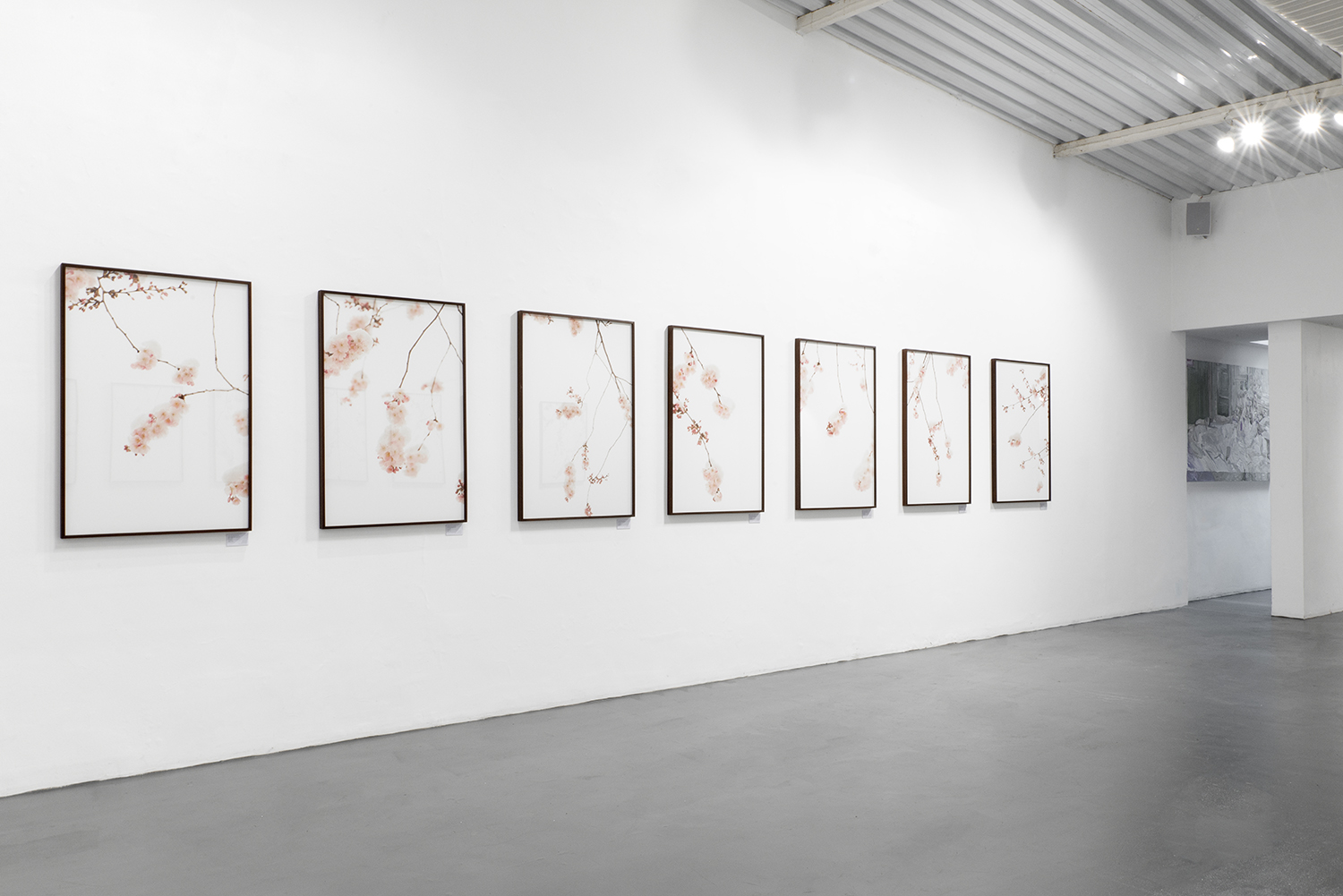
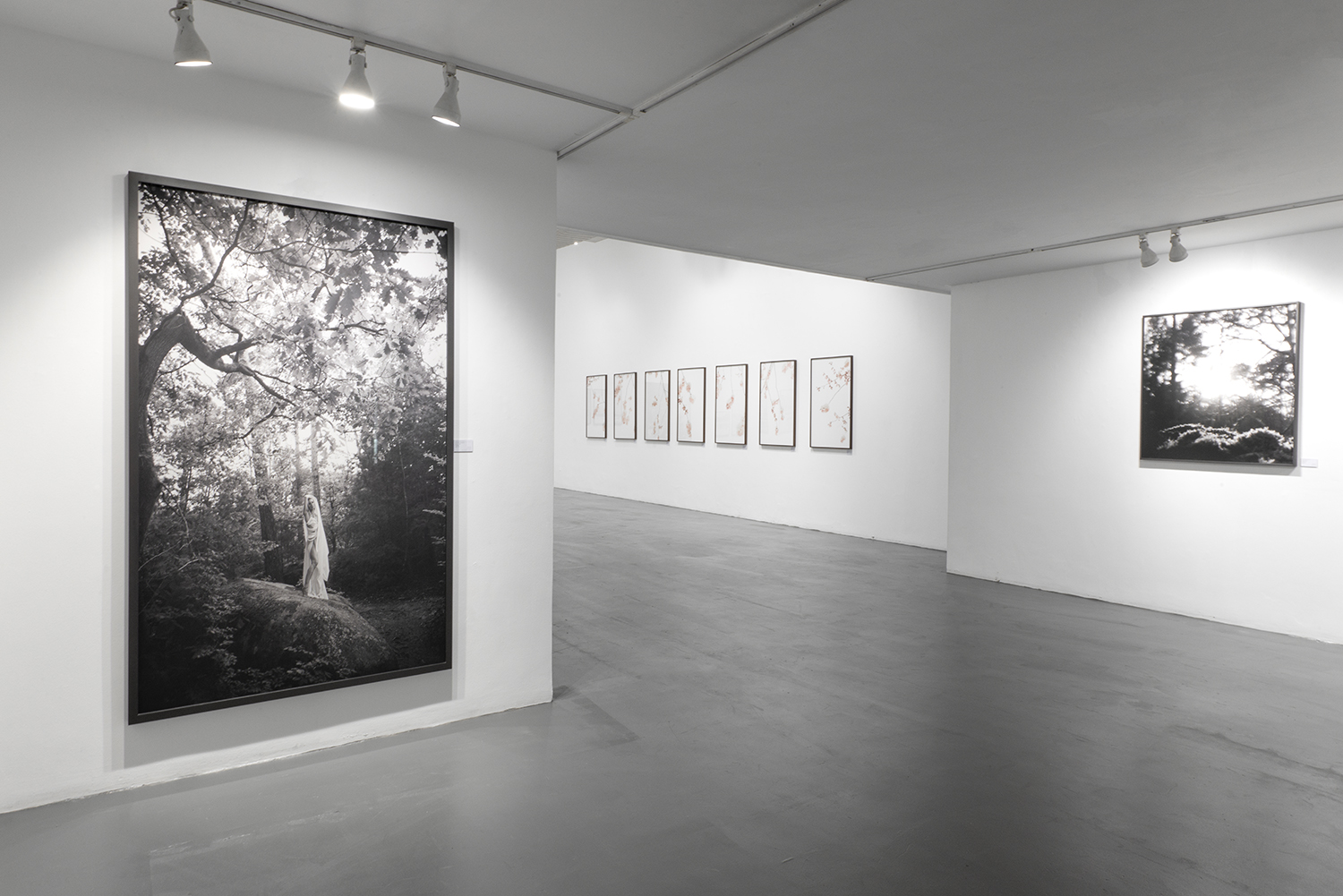
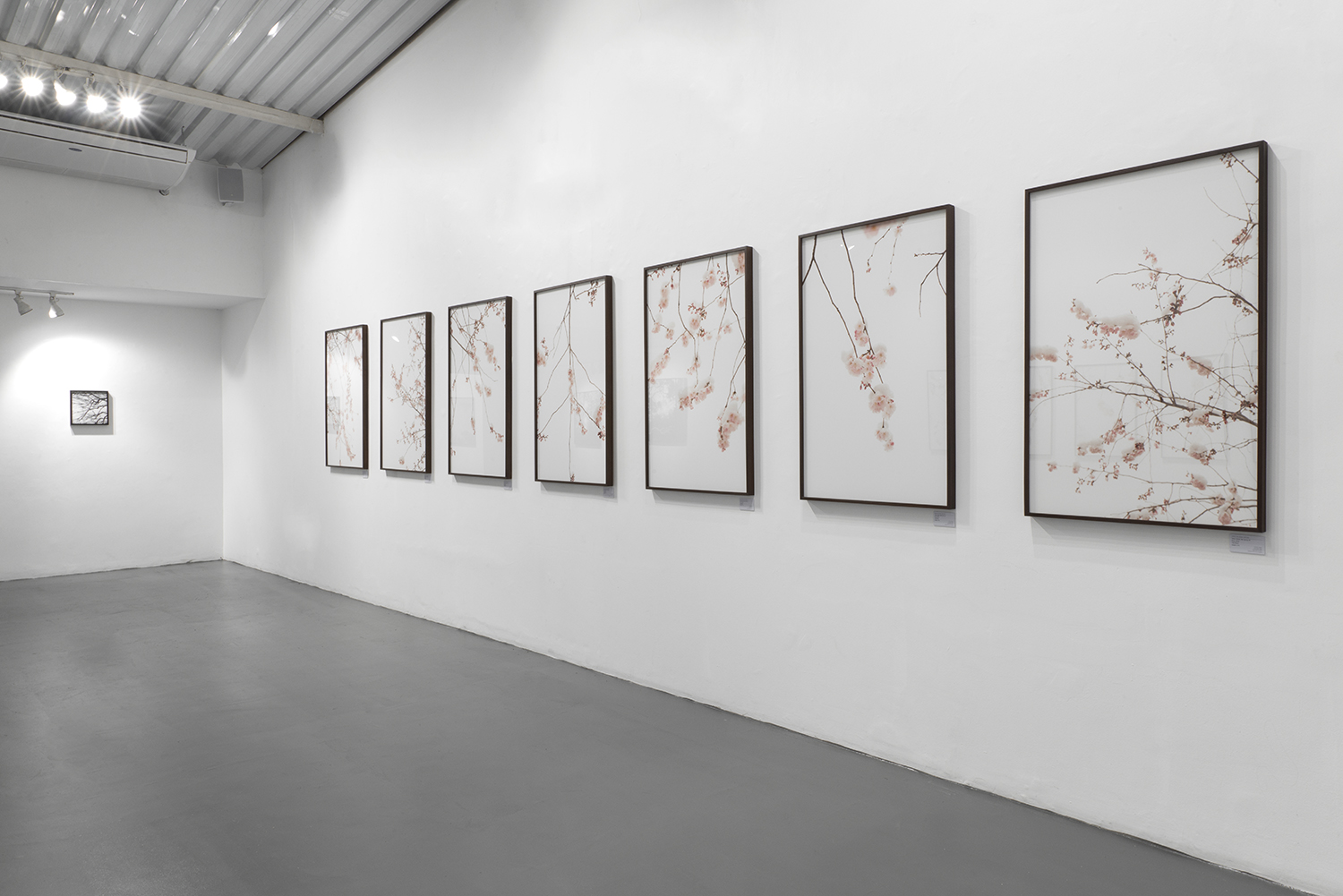
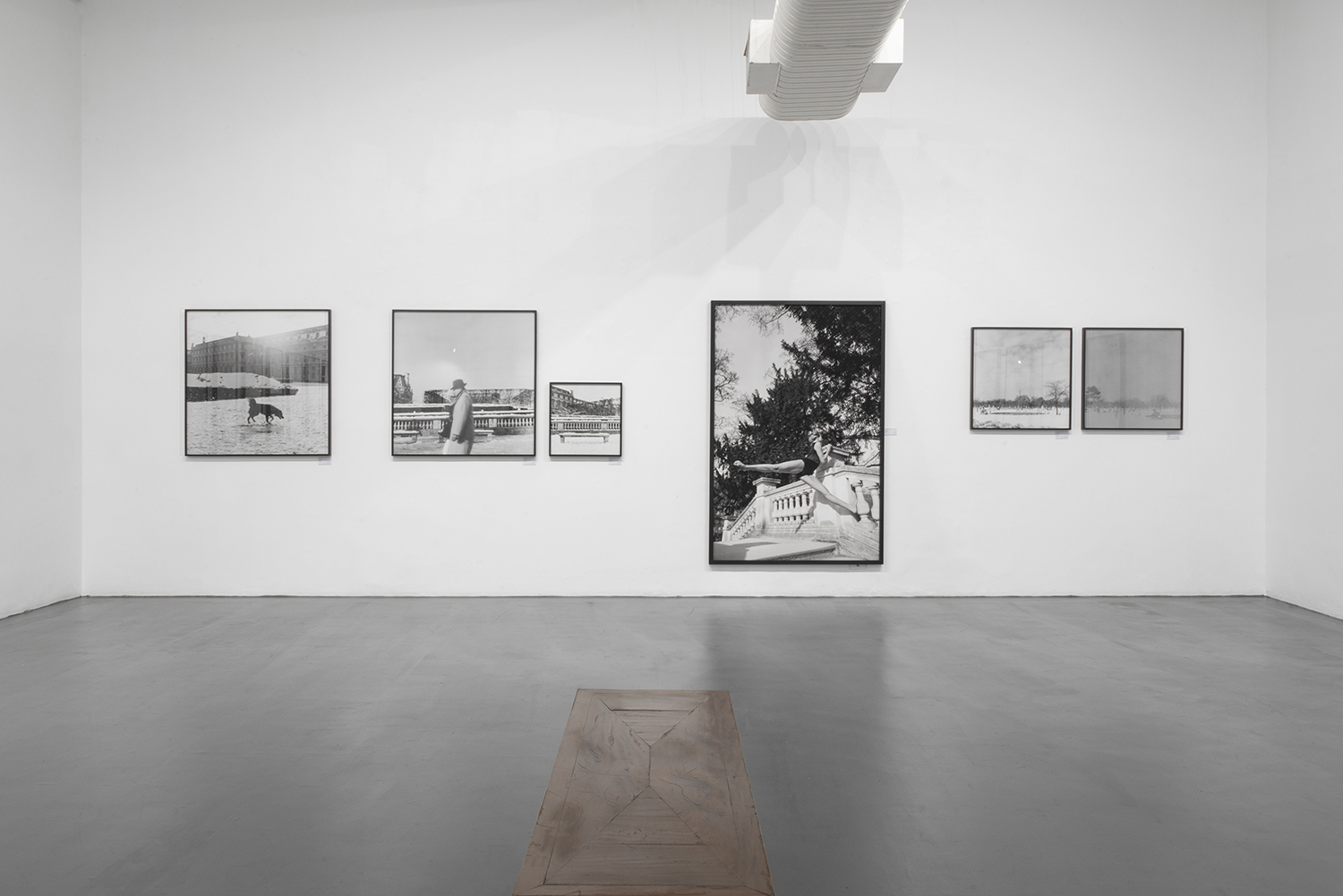
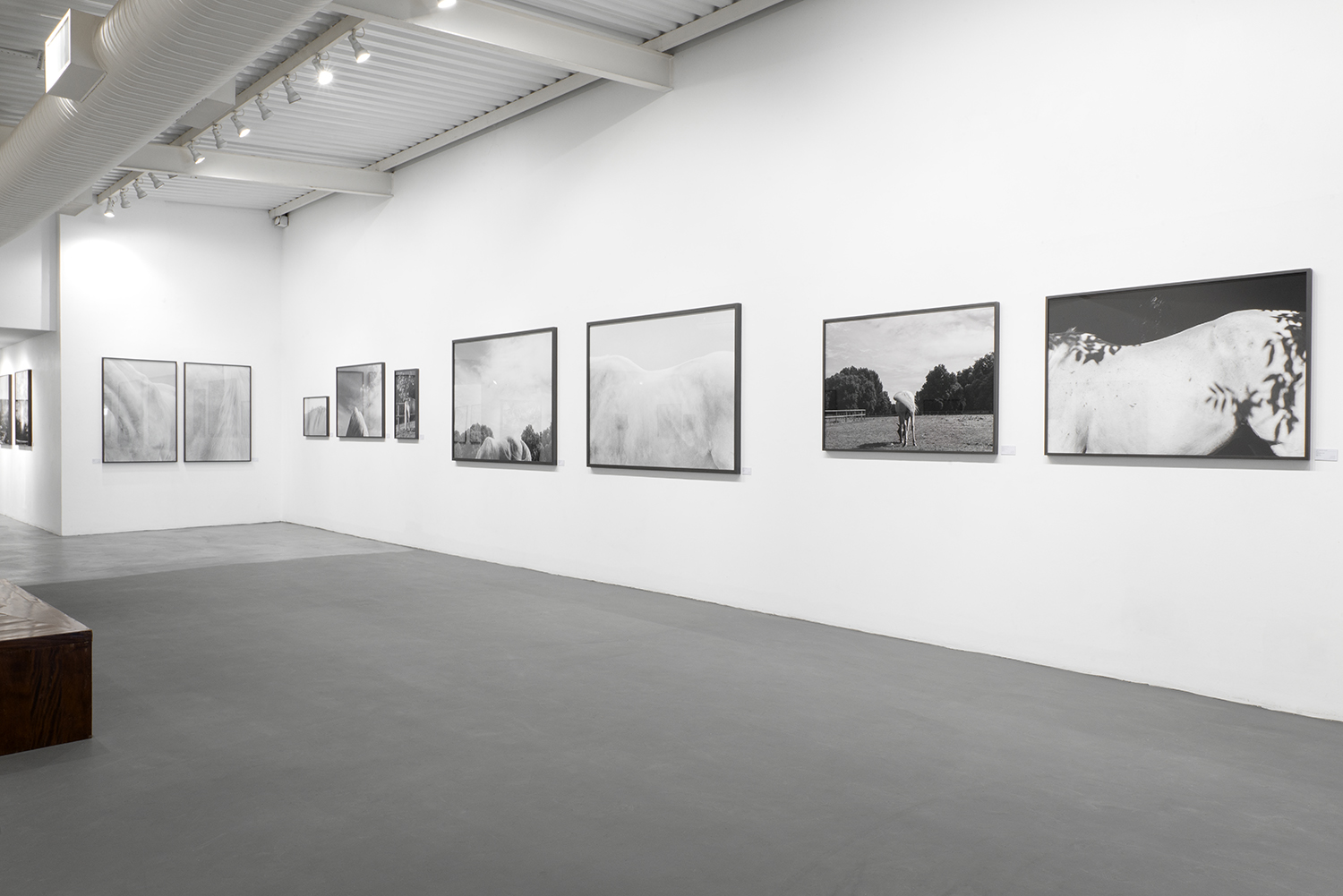
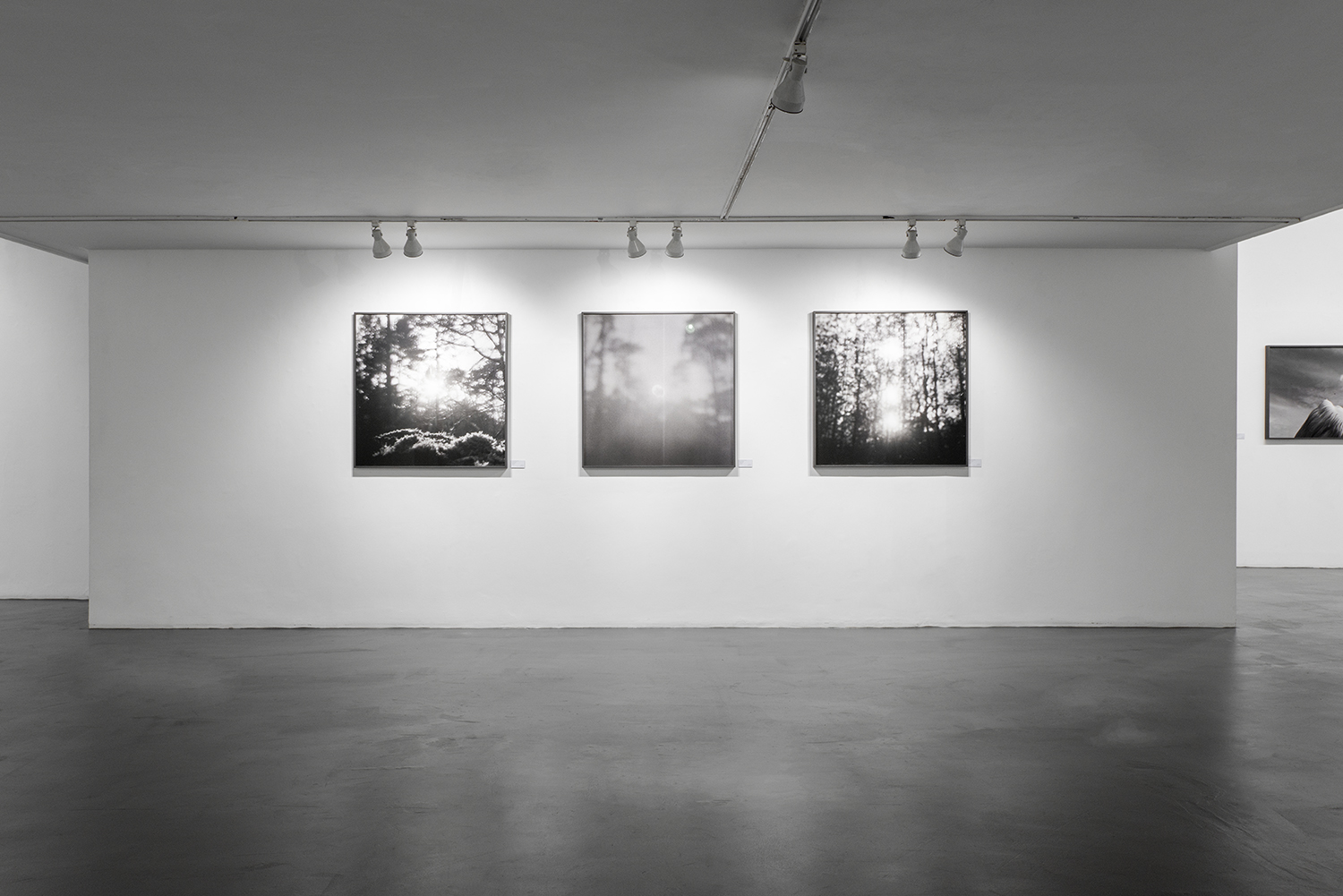
In this exhibition, we bring together photographic series that appear very different, yet are connected by a subtle, sensitive thread tracing movements from within to without and from without to within: the horse Berni’s readaptation to life in the wild after years of sporting performance stands in contrast to the swans in Sentimental Journey, which Louis XIV had brought from Denmark and Sweden so that he could admire them in his city. In that same Paris, Emilia recorded the sublime—and troubling—encounter between spring and winter upon the blossoms of cherry trees imported from Japan in When Winter Met Spring; there, she also captured an exceptionally long and introspective winter in Paris Glacial. A ballerina emulates the movements of rotation and revolution: she spins in pirouettes and travels the world, seeking to become part of her surroundings in a pas de deux with the photographer, who moves between city and nature, between self and other (in Performance of a Dream and Study of the Sun), capturing through her gaze the universal particularities of each place.
By exploring these various movements, the photographs exhibited here form a map that reflects geographical directions and inner journeys. In Acervo Migratório, to migrate is not merely to change places, but to reorganise memories, redefine identities, and transform realities, in a movement that crosses both physical borders and the boundaries of consciousness itself, reaffirming the conviction that without displacement, there is no transformation.
Text: Luiza Testa
__
DATE: april.2025
CURATOR: Luiza Testa
PRODUCTION: VANDL Art
PLACE: Caribé Gallery, São Paulo/Brazil